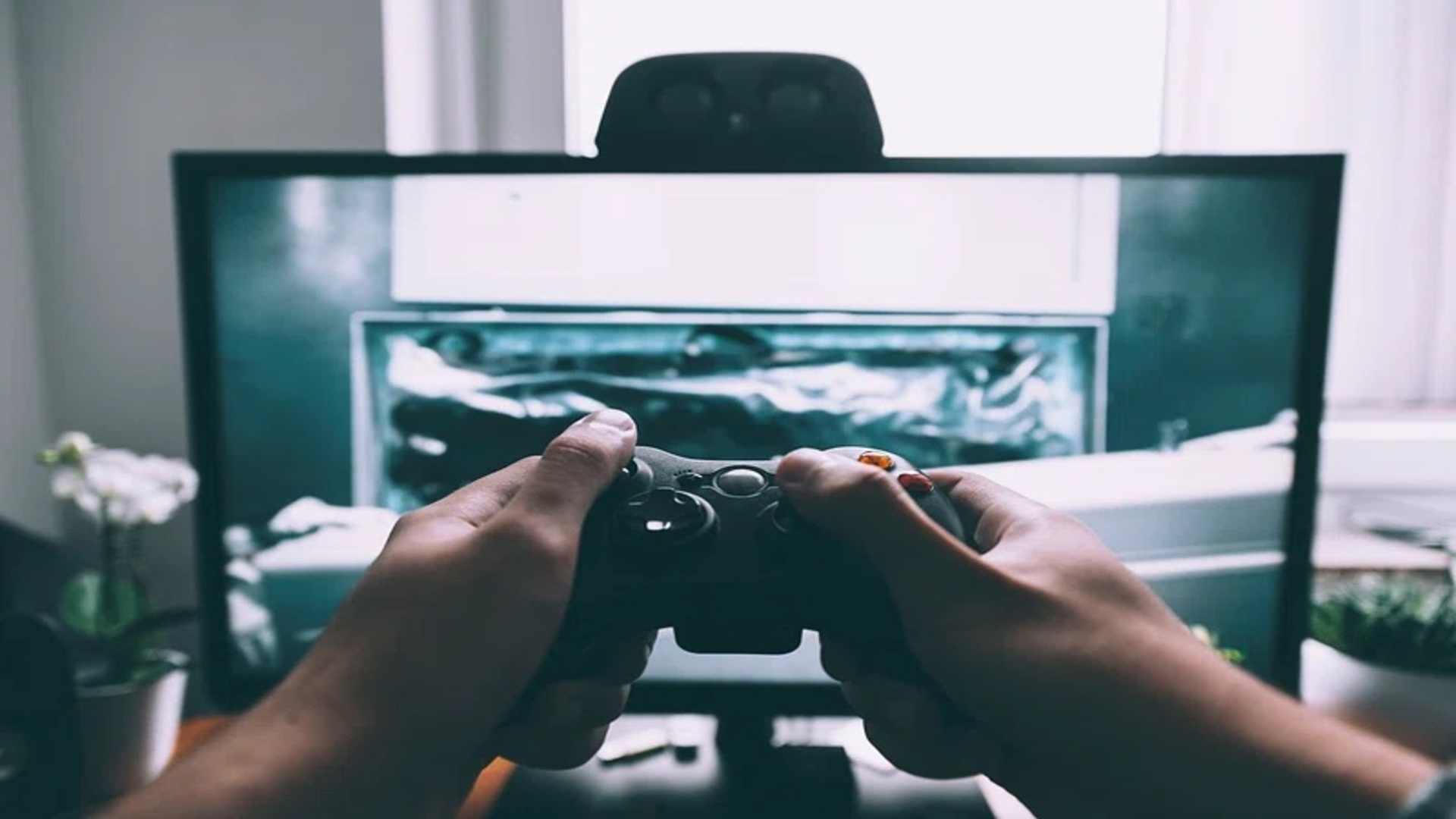
The human brain responds differently to instant outcomes compared to visual sequences that unfold in real time. When players observe a prize slowly coming into focus, the mental impression created is significantly stronger than a simple text notification. Understanding this psychological phenomenon helps explain why animated reveal mechanics are so effective across modern digital entertainment platforms.
The Cognitive Mechanics of Visual Anticipation
When an outcome is delayed by a brief animation, the brain enters a heightened state of observation. This brief pause triggers dopamine release during the waiting period rather than just at the moment of reward delivery. As a result, the entire sequence becomes encoded into long-term memory with greater detail.
Visual tracking forces the mind to actively process spatial movement and slowing speed. This mental participation transforms a passive prize distribution into an active cognitive event. The emotional surge felt right before the final reveal solidifies the memory in the player's mind.
Why Static Displays Fail to Leave an Impression
Instantaneous reward messages are frequently ignored or forgotten because they require minimal cognitive processing. Without a visual journey, the brain registers the result as a routine data update rather than a meaningful milestone. This lack of emotional engagement leads to lower recall rates over time.
Dynamic animations build a narrative arc within a matter of seconds. By establishing a clear beginning, middle, and end, the player experiences a complete story loop. This structured progression makes the overall experience feel much more satisfying and noteworthy.
Optimizing Digital Interface Engagement
Modern developers utilize smooth deceleration curves and visual tension to enhance the user experience. By fine-tuning the duration of a spin or reveal sequence, platforms can maximize player focus without causing annoyance. Finding the perfect balance between speed and suspense is essential for maintaining audience interest.
Many popular gaming destinations integrate these dynamic visual mechanics across their touchpoints to boost user engagement. For instance, players accessing platforms via m88.com mobile experience tailored animations that make every random outcome feel distinct and immersive. These design choices ensure that even routine features remain exciting over extended play sessions.
The Balance Between Suspense and Friction
While visual reveals enhance recall, overly long animations can lead to player fatigue and frustration. Interface designers must ensure that the visual presentation feels fast-paced while still delivering emotional impact. A reveal that lasts between two and four seconds typically achieves the best results.
Allowing users to occasionally skip or speed up animations gives them a sense of control over their pacing. This flexibility prevents the visual mechanics from becoming tedious during repetitive tasks. Striking this balance keeps the experience fresh, engaging, and memorable.